

Headshot day: sixty people, six hours, one consistent look
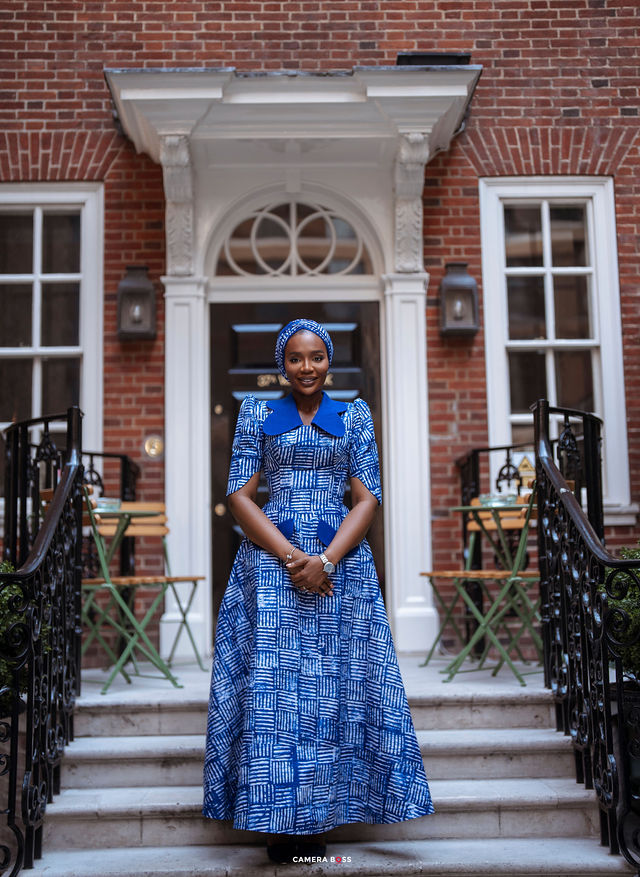
Every organisation eventually notices that its leadership page looks like a ransom note. One person photographed against a window in 2019, another cropped out of a wedding, three taken on phones. The fix is a headshot day, and the fix has its own failure modes.
A headshot day fails in one of two ways. Either the schedule collapses and half the team never gets photographed, or everyone gets photographed and the results do not match each other. Both are logistics problems.
The room matters more than the camera
What a portable studio actually needs is unglamorous:
- Depth. Around three metres from backdrop to camera position, so the background falls away properly and people are not pressed flat against it.
- Control over the light. A room with a huge window sounds appealing and is a problem, because the sun moves and the last person of the day will not match the first. Blinds that close beat a beautiful view.
- A door. People perform very differently when colleagues are watching. A room with a door produces better pictures than a corner of the atrium.
- Power and a table. Somewhere to tether and check frames, and a mirror by the door.
A meeting room with the table pushed to one side is usually perfect. The impressive-looking spaces rarely are.
Slots, not a queue
The single biggest scheduling decision is booked slots against an open call. Open calls sound friendlier and produce a queue of twelve people at 09:15 and nobody between two and four.
A workable shape for sixty people across a day:
- Five-minute slots, booked through whatever calendar tool your team already uses.
- Two slots left empty every hour to absorb overruns and the people who forget.
- A short break every ninety minutes, which is also when we check that nothing has drifted.
- A named coordinator internally, ideally somebody with the authority to walk down the corridor and fetch a director.
Five minutes is enough. Most people take one minute to relax and three minutes to photograph. Booking ten-minute slots halves your capacity and does not improve the pictures.
The point of a headshot day is not sixty good photographs. It is sixty photographs that look like they belong to the same organisation.
Consistency is a discipline, not a preset
Matching sixty portraits means locking things down and not touching them. Same lighting positions, same distance, same lens, same crop, same background. When a light gets nudged, it goes back before the next person sits down.
Two things get overlooked and both matter:
Skin tones. Default camera profiles and one-click presets consistently underserve darker skin. A mixed team photographed on autopilot produces a grid where some people look considered and others look like an afterthought. Metering and grading for each person, and then checking the whole grid together at the end, is the fix.
Wardrobe guidance, sent early. Not a dress code, just a short note a week ahead: solid colours over busy patterns, avoid bright white and logo tees, bring a jacket if you want a formal option. It takes two minutes to write and improves the whole set.
Directing people who hate this
Most people arrive apologising. They tell you they are not photogenic before they sit down. That is not vanity, it is that they have only ever seen themselves in bad photographs.
What works is giving people something to do rather than something to be. A small physical instruction, chin forward slightly, weight on the back foot, breathe out, occupies the part of the brain that would otherwise be worrying. Showing somebody one good frame on the back of the camera early usually resets the whole session.
Delivery, and the part everyone forgets
Agree the output formats before the day: a square crop for LinkedIn and internal systems, a wider crop for the website, and a high-resolution original for print and press. Naming matters more than it sounds, because these files get handed to whoever updates the intranet, and surname-firstname-square.jpg saves that person an afternoon.
Then plan the follow-up. New people start. Six months after a headshot day, a company that did not book a top-up session is back to a mismatched grid. A half-day twice a year keeps it consistent, and it is cheap compared with doing the whole thing again.
A headshot set is infrastructure, not a photoshoot. Treat it like something you maintain.
Read next
More on running corporate events
Corporate headshots: what a UK team day actually costs
Corporate headshots pricing is built around group size more than any other factor. Here is how UK team day costs actually scale, w…
LIVE STREAMINGWhat does it cost to live stream a corporate event in the UK?
There is no fixed UK rate card for corporate live streaming, and honest suppliers say so openly. Here is what actually drives the…
PHOTOGRAPHYHow much does a conference photographer cost in the UK?
Published UK rate guides put conference photography cost anywhere from a few hundred pounds to several thousand. Here is what actu…
Next step
Tell us the date and the room
Send the date, the venue and roughly how many people are in the room. We will come back with whether we are free, what the right crew size is for that programme, and a written quote you can put in front of finance.
Send the brief → Scope call → Written quote → Technical survey → Event day
Cameraboss Multimedia Ltd · Creative Photographer of the Year, Creative Industry Awards 2024 · Photography, film and live production from one team on one timeline
Call or WhatsApp 07823 714814 · camerabossmultimedia@gmail.com